
Fall detection for the elderlyKeeping Elders Safe,
At Home.
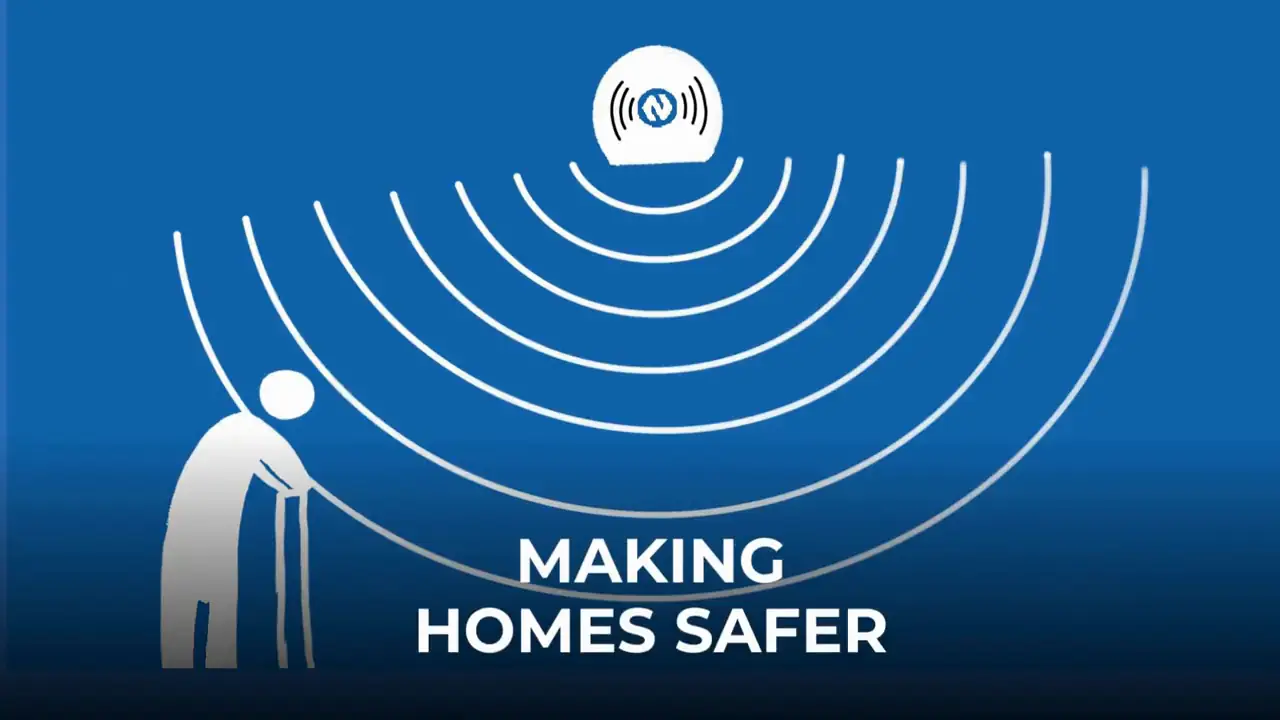
NoBlink is camera-free fall detection for older adults who live on their own. Radar sensors on the wall notice a fall and call family straight away. Nothing to wear, charge or press. How fall detection works
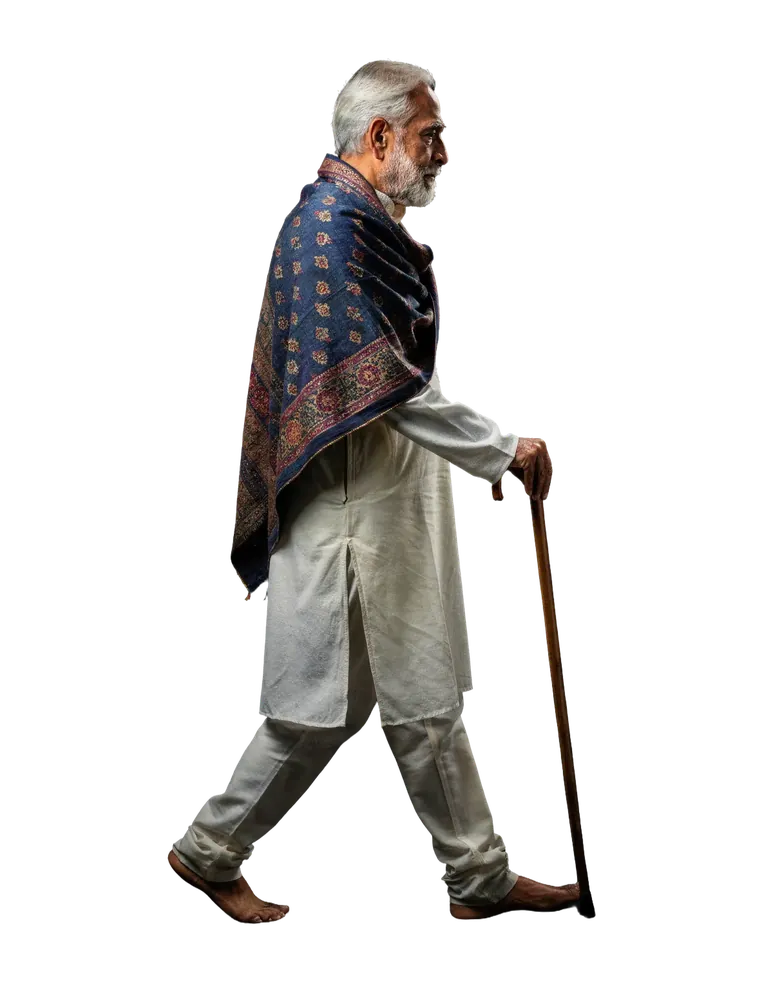
1 in 5 Older Indians Live Alone or Just With a Spouse.
Why?
- Children work long hours, often in another city.
- Many children have moved abroad.
- Parents want to stay in the home they built.
Source: India Ageing Report 2023, UNFPA India and IIPS
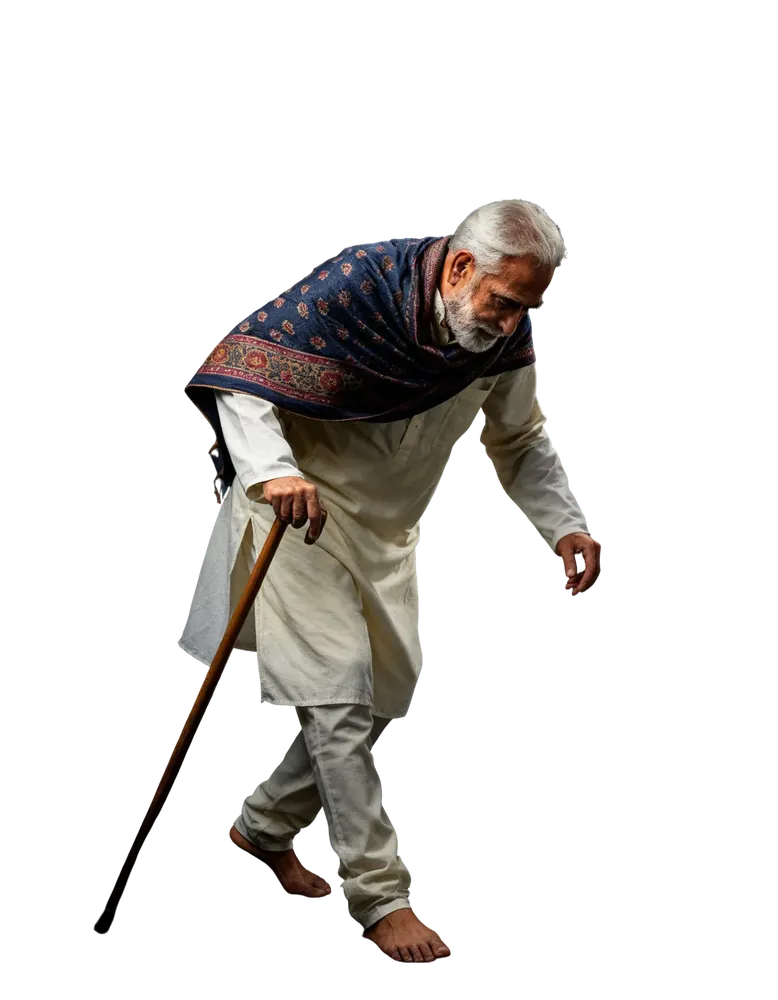
More Than 1 in 4 People Over 65 Fall Every Year.
The triggers
- Wet bathroom floors and slippery tiles.
- Getting up at night in the dark.
- Dizziness when standing up too quickly.
Source: US CDC; WHO Global Report on Falls Prevention in Older Age
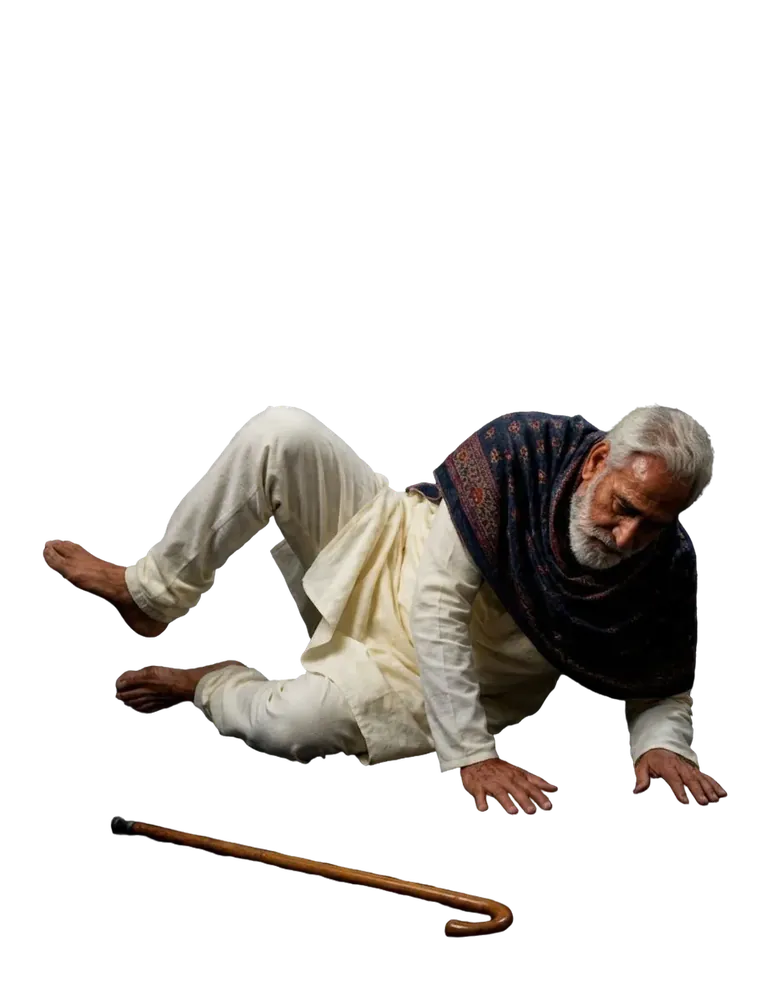
Over 1 in 3 Who Fall Are Badly Hurt.
The impact
- Hip fractures.
- Head injuries.
- Lost confidence, and often lost independence.
Source: US CDC, Older Adult Falls: Facts and Stats
Every Minute on the Floor Counts.
Why speed matters
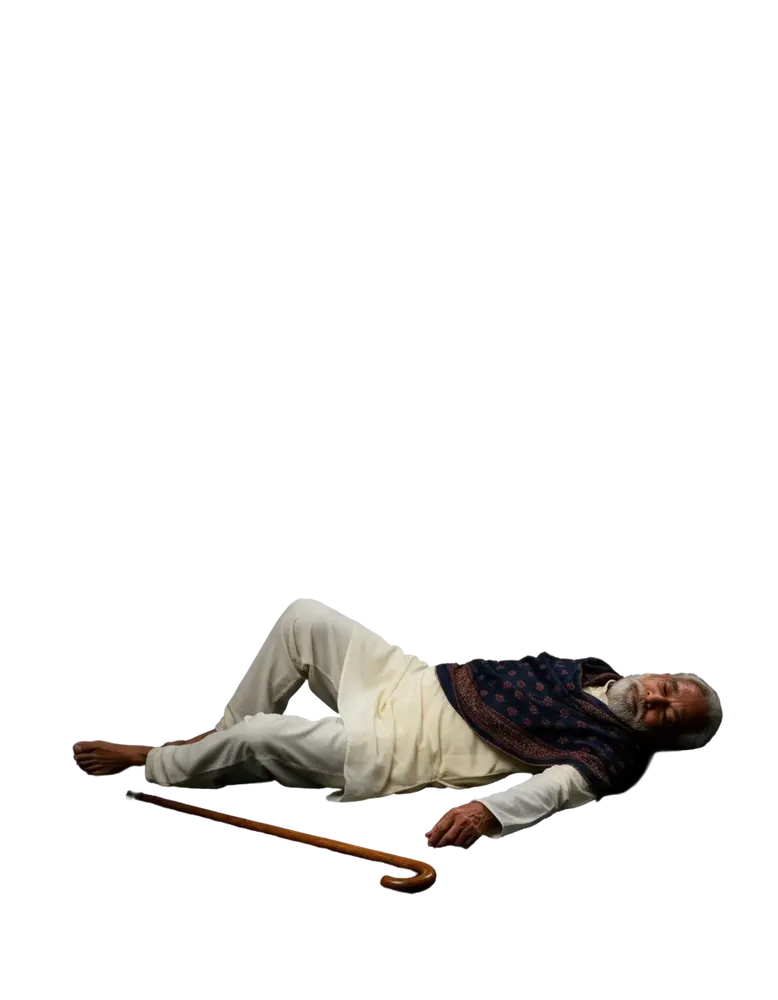
- In a UK study of people over 90, 8 in 10 who fell could not get up on their own.
- Lying on the floor for an hour or more was linked to hospital admission.
- A call to family the moment it happens shortens the wait for help.
Source: Fleming and Brayne, BMJ 2008
The Illusion of Safety
Why traditional solutions fail when it matters most.
10:09
15%
Forgot to Charge
Taken Off for Shower
Removed Before Sleeping
Daily Charging
SOS
Out of reach
Unable to Press
Forgot to Press
Unconscious
Watches need charging and come off for a bath. Pendants need a button press, and a person who is hurt or unconscious cannot press it. NoBlink stays on the wall, so protection does not depend on anyone remembering anything. Compare sensors with wearables
What Happens When Someone Falls
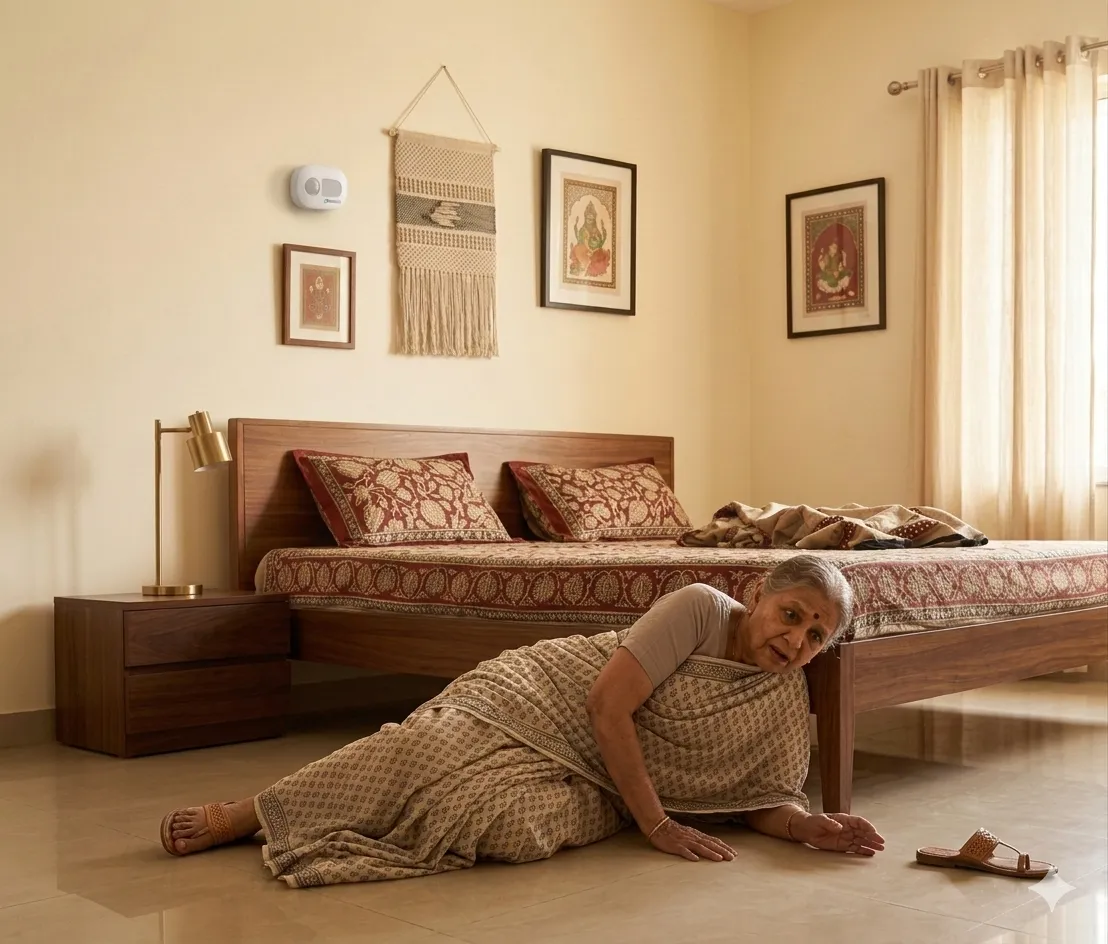
A radar sensor on the wall notices a fall, or a long and unusual stillness.
01
A Fall Is Detected
02
NoBlink Checks It
03
Family Gets a Call
04
Alert on the App
05
Next Contact, If Needed
What NoBlink Changes

The Safety Net
You Always Needed
Always on, day and night
Nothing to wear or press
No cameras, ever
Family called right away
How it works
Small radar sensors in the rooms that matter
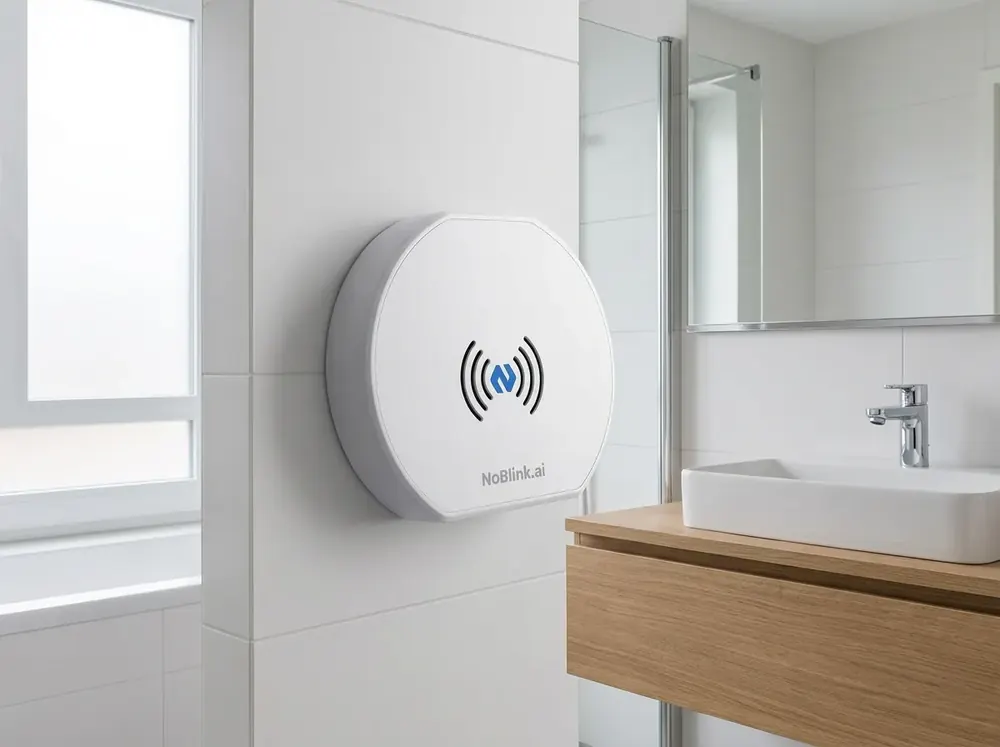
Each sensor sits high on the wall and reads movement using radar, not a camera. It notices a fall, or a long stillness that does not look right, and NoBlink calls the people you have chosen. Your parent does not have to do anything.
Bathroom sensor
For the room where floors get wet and watches come off. Works through steam and in the dark.
Bathroom fall detectionRoom sensor
For the bedroom and living areas. Notices falls and long periods of stillness through the day and night.
How fall detection worksBed monitor
Notices when your parent gets out of bed at night, and builds a picture of sleep over time.
See the complete setupBuilt for families, and for the places that care for elders
Parents living on their own
Whether you are across town, in another city or abroad, you hear about a fall when it happens, not when someone happens to call. Alerts reach your phone on the NoBlink app, and calls go to the people nearby you trust.
For families of parents living aloneSenior living communities
Camera-free sensors in residents’ rooms and bathrooms, with alerts to your care team and to families. Residents wear nothing, so protection does not stop at bath time or bedtime.
For senior living and care homesInstalled by our team in Bangalore, Chennai, Mumbai, Pune and Gurugram.
Family alerts on the NoBlink app for iPhone and Android.
Guides for families
All guides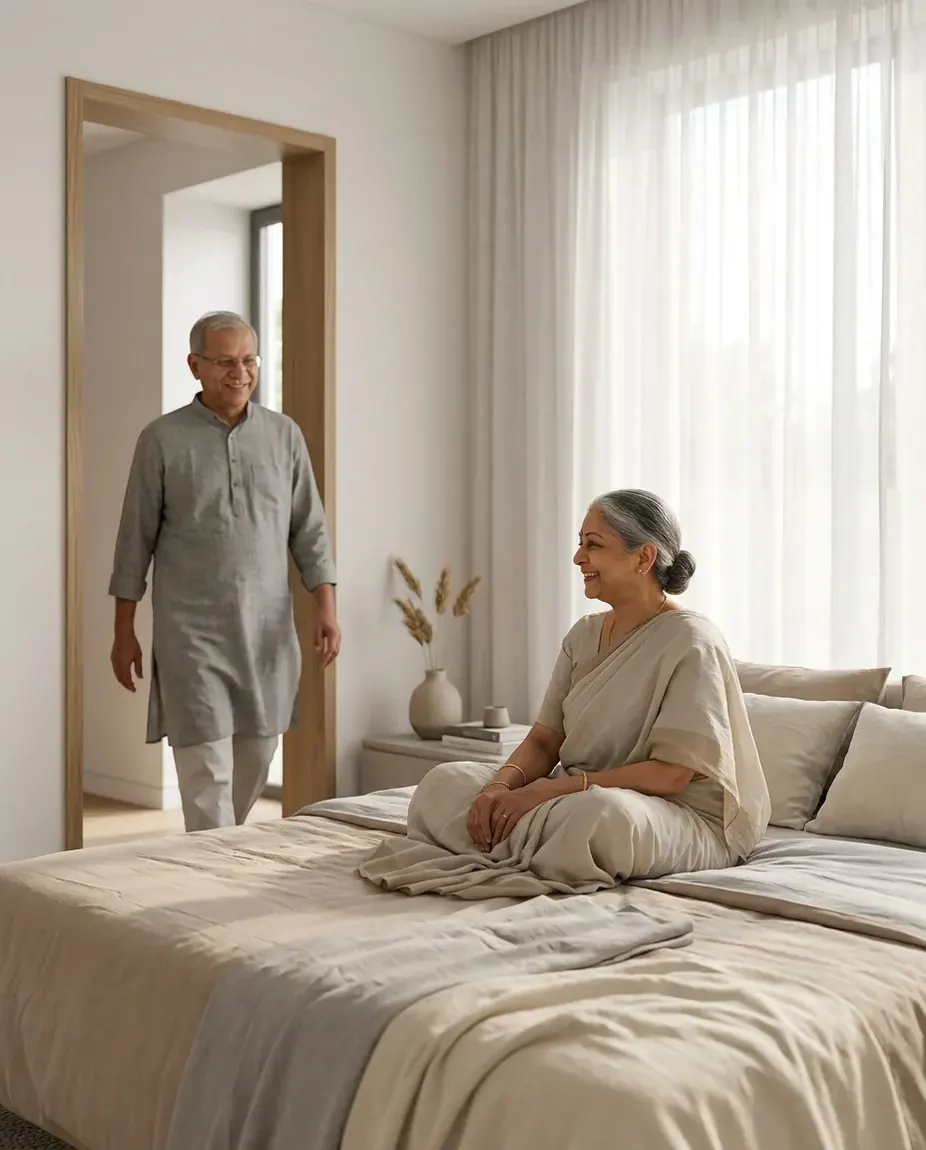 How to prevent falls at home: a room-by-room checklist for elderly parentsWet floors, loose rugs, dark corridors at 3 am. A walk-through of every room, with fixes that cost little and make a real difference.What to do if an elderly parent falls: a calm, step-by-step guideThe first few minutes matter. How to check for injury, when not to lift, how to get up safely, and when to call 112.
 Fall detection devices for elderly people in India: how to chooseWatches, pendants, cameras and radar sensors, compared honestly. What each one catches, what it misses, and what to ask before you buy.
 Falls among older adults in India: what the data saysAbout one in eight older Indians reported a fall in the past two years. The numbers behind that, who is most at risk, and why the real figure is likely higher.
Questions families ask us
What is NoBlink?
NoBlink is a fall detection system for older adults living at home. Radar sensors on the wall notice falls and long, unusual stillness, then NoBlink calls family and sends alerts on the NoBlink app. There is nothing to wear and no button to press.
Which rooms should have a sensor?
Most families start with the bathroom and the bedroom, because that is where wearables come off and where night-time falls happen. Living areas come next. On a call we look at the home and suggest a sensible setup.
What does the bed monitor do?
It notices when your parent gets out of bed, which helps at night, when trips to the bathroom in the dark are a common time for falls. It also builds a picture of sleep patterns over time.
What happens when NoBlink detects a fall?
NoBlink checks the signal, then places automatic voice calls to the contacts you have chosen and sends a push alert on the app. If the first person does not answer, NoBlink escalates to the next contact on your list.
Is NoBlink a medical device or an emergency service?
No. NoBlink is a safety and wellness monitoring service. It does not diagnose anything and it is not a replacement for emergency services. In an emergency, call 112.
Independence for them.
Peace of mind for you.
Tell us a little about your parents’ home and we will suggest a setup that fits it.